
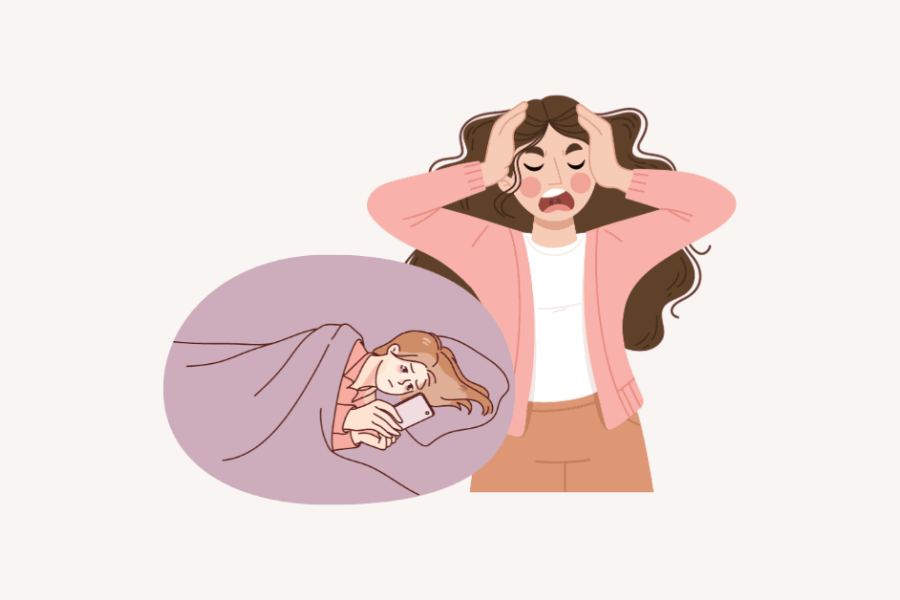
It first began when I was waking up multiple times at night. For every night wake up, I would gently and happily pick up my son, whisper loving words into his ears, kiss his forehead, and cradle him to sleep. My patience was absolutely endless. For me, I was so blessed to have the warmest treasure between my arms, warm fingers wrapped around my hand, and cheeks that I could stroke all day, all night. But, with time and especially during the daytime, my rage would appear, directed at my son, my husband, and even my family.
I would wake up feeling like I had been hit by a truck. Yet, the demands of the day were relentless and that is when my intense internal burn would begin. I would get angry at my son for not drinking his milk, even though I knew he was suffering from reflux. I would get frustrated at my husband for not fixing the sofa the way that I liked or angry that I was the one stuck at home. Annoyed at my family for being far away and no one making the trip to help me, even though each of them was working full-time or had families of their own.
When I look back, it didn’t matter what actually upset me; pretty much everything upset me. I was just walking on fire because, to put it simply, I felt I was burning inside.
As a mother, I often found myself in a whirlwind of emotions. One moment I’m filled with love and joy watching my child grow, and the next, a wave of irritation washes over me, often resulting in what many refer to as “mum rage.” To put it simply, it is that overwhelming feelings of anger and frustration that can arise during the challenging journey of motherhood. But why do these feelings seem to surface more frequently, especially when we’re exhausted? For many of us, the answer lies in one critical factor: sleep deprivation.

Understanding ‘Mum Rage’
Mum rage is not just an occasional flare-up of being irritated; it’s an intense emotional response that catches us off guard. It can manifest as irritation the tiniest things like a messy living room or a toddler’s refusal to eat dinner or a parent / sibling not checking in and can escalate very, very quickly, leaving us feeling guilty and misunderstood. The reality is that many mothers experience this kind of rage, yet it’s often brushed aside.
This cycle of exhaustion and irritation is all too common for many mothers. We become trapped in a loop where lack of sleep leads to increased frustration, which in turn makes us feel even worse about ourselves. It’s a vicious cycle that can be hard to break. And as a mother, I know too well how it can feel isolating to admit that we sometimes struggle with anger. We are often expected to be the epitome of patience and nurturing, but the truth is, we are humans with our own struggles, our own anxieties and worries. And when we’re deprived of sleep, those limits can amplify tenfold.
Sleep Deprivation and Mum Rage
A large amount of studies have shown a clear connection between sleep deprivation and emotional mum rage. According to research published in the Journal of Sleep Research, “Seeing Red: A Grounded Theory Study of Women’s Anger after Childbirth” sleep deprivation can lead to heightened emotional responses and increased irritability, making it more challenging to cope with everyday stressors. The study emphasises that a lack of sleep not only affects cognitive function but also disrupts our ability to manage emotions effectively. This is particularly relevant for mothers, who often bear the brunt of nighttime awakenings and the subsequent exhaustion that follows.
The findings suggest that sleep deprivation can increase feelings of frustration and anger, as our brains struggle to process emotions without the restorative effects of a good night’s sleep (hence why children also show signs of emotional deregulation when they have lack of sleep). This means that when we face common parenting challenges like a child refusing to drink their milk / eat food or a partner not meeting our expectations our emotional reactions can be disproportionately intense. In my own experience, I felt as though I was walking on fire, with even the smallest of issues igniting a wave of frustration. Understanding this link is crucial for mothers, as it highlights the importance of prioritising sleep not just for our physical health, but for our emotional well-being as well.
Breaking the Cycle: Strategies for Coping with Sleep Deprivation and Rage
Prioritise Sleep Whenever Possible
While it may seem impossible to get the rest you once had before having children, getting a full nights rest and finding small pockets of time to recharge can make all the difference. For instance, when your child naps use that time for a quick nap yourself or at the very least take a moment to breathe deeply and just relax. You should not have to rush things either, if your child is on a nap schedule they should be doing 1.5 – 2 hours stretches at a time and that would be good enough for your body to unwind. For the nighttime, by teaching your children independent sleep skills, you will be able to regain your nights helping you massively feel energised for the next day.
Create a Sleep Routine
Establishing a consistent bedtime routine can help signal to your body that it’s time to wind down. Somewhere along the way (even before kids), we’ve thrown the sleep routine out the window, and I think it was just because we can sleep in on weekends (at least) or choose to go to bed anytime we want. With kids, we are on a much tighter schedule and a sleep routine can become your best friend. A simple routine would look like; dimming the lights, reading a book, or practicing relaxation techniques before bed. But the catch here is that in order to even think about creating a sleep routine, you must teach your children independent sleep skills.
You firstly don’t want to spend hours getting them to bed but secondly, knowing that they will always naturally wake up at night, you do not want to have to get up each night to put them back to sleep. When they learn this skill – you very rarely will need to go back into that room.
Practice Relaxation and Mindfulness Techniques
Incorporating mindfulness into your daily routine can help you manage stress and emotions. Techniques like meditation, deep breathing exercises, or pilates / yoga can create a sense of calm and improve your overall emotional well-being. Even a few minutes of focused breathing can help ground you during particularly stressful moments.
Set Realistic Expectations
To start off, it’s important to recognise that no mother is perfect, and it’s okay to have days when things don’t go according to plan. Instead of striving for perfection, aim for progress. Celebrate small victories, and don’t be too hard on yourself when things get tough.
I’ve also noticed this both in myself and among my clients. After successfully training my son, life felt wonderful until he occasionally had a rough night. During those times, my anxiety would spike, and I would panic, fearing the loss of that newfound freedom. Similarly, when my clients experience a regression in their babies’ sleep, they often find themselves in a state of panic as they long for that ideal sleep routine. It’s important to remember that we’re dealing with human beings. Just as we sometimes struggle to sleep for various reasons, children face their own challenges that can disrupt their sleep whether it’s developmental milestones, teething, growth spurts, restless legs, or illness. It is rare but it does of course happen – we are dealing with tiny humans.
To help manage your frustration, consider exploring ways to dispel the myth of perfect baby sleep, especially during those inevitable regressions. To better understand that there is no such thing as perfect sleep, check out article here.
Seek Professional Help if Needed
If you do feel an overwhelming sense of anxiety, stress or mum ‘rage’ then talk to a sleep consultant. A sleep expert will help you get your days and nights back, which will massively improve your emotional well-being. Not only will they get your little one trained, but they will be your anchor and support system to lift you up emotionally and mentally. To learn more about the packages I offer, check them out here and get in touch.
Self-Care Shouldn’t be a Choice. It is a Necessity
Self-care is often viewed as a luxury, but it’s a necessity. Taking time for ourselves can help replenish our emotional reserves and mitigate the effects of sleep deprivation. This doesn’t have to mean long spa days or elaborate outings; it can be as simple as taking a warm bath, enjoying a quiet moment with a book, or getting some fresh air.
When we prioritise self-care, we become better equipped to handle the challenges of parenting. It allows us to approach our children with more patience and understanding, reducing the likelihood of mum rage.
Don’t be in Denial. Acknowledge the Reality of Mum Rage
I remember my denial as if it was yesterday. I have always been known to be a very calm and patient person so when I began to feel this rage and get worked up, I always blamed the person in front of me. But, how can my newborn son be blamed? For not drinking milk? For having reflux? Obviously not. I was just extremely sleep deprived that I didn’t see that this is all being caused because I am exhausted.
I’m not sure if I just didn’t notice my reactions or if I just felt I couldn’t do anything about the lack of sleep so I felt everyone needs to just accept this is the new me or I didn’t want to associate myself with someone who now has anger issues.
With time, what I did learn however, is that it is crucial to acknowledge that mum rage is a common and valid experience. We shouldn’t feel ashamed for experiencing anger; instead, we should talk about it openly. By breaking the stigma surrounding mum rage, we can foster a supportive community where mothers can express their feelings without fear of judgment.
Parenting is an incredibly demanding job, and it’s okay to admit when it feels overwhelming. Finding ways to cope with exhaustion and emotional turmoil can help us navigate the ups and downs of motherhood with more grace and understanding.
In Conclusion
Mum rage is a complex emotion that many mothers experience, most often exacerbated by sleep deprivation. By recognising the link between lack of sleep and emotional responses, we can take steps to mitigate its impact on our lives. Remember, it’s okay to feel overwhelmed, and it’s essential to prioritise our well-being.
As we navigate this challenging yet rewarding journey, let’s support one another in our struggles and celebrate our triumphs. After all, we are all in this together. Share your experiences, your tips, and your stories, and let’s create a community that embraces the reality of motherhood with empathy and understanding.
Have you experienced mum rage due to sleep deprivation? If so, you are not alone. Get in touch.