
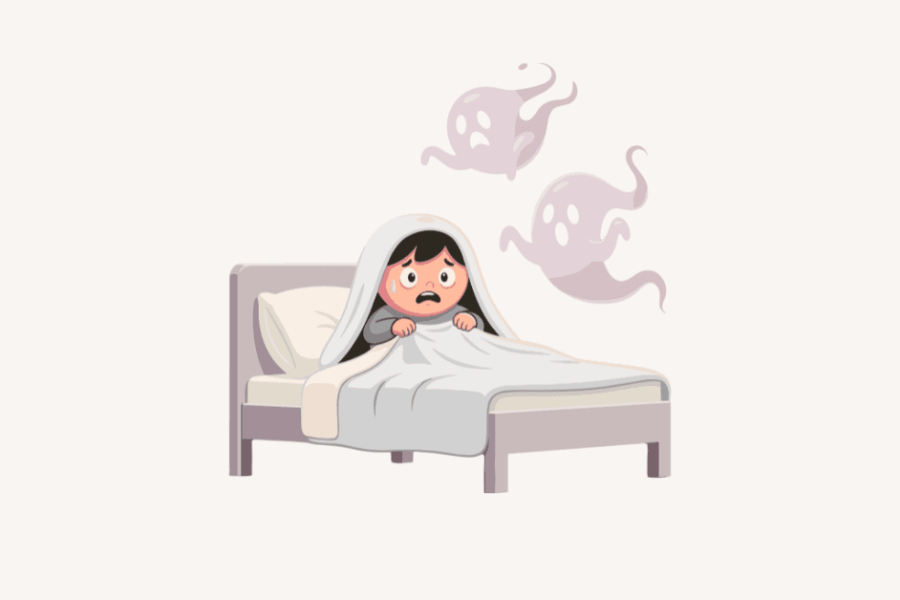
As a Child Sleep Consultant, I often meet parents who are deeply concerned about their children’s night terrors and often mixed up night terrors with nightmares. Being afraid of night terrors is normal, as they can feel very scary to witness. Recognising what night terrors are and learning how to cope with them can provide comfort during these unsettling nighttime episodes. This guide aims to clarify this sleep disorder and offer practical tips for parents and children to manage these challenging times together.
Defining Night Terrors
Night terrors (sleep terrors), happen during the non-REM (Non-Rapid Eye Movement) stage of sleep, usually within the first few hours after a child falls asleep. On the other hand, nightmares occurs during REM (rapid eye movement) sleep, are considered bad dreams and can often be remembered, night terrors manifest as episodes of intense fear, loud screaming, sweating, confusion, and even sleepwalking. Although scary, children typically having no recollection of the events when they wake.

When Can Parents Expect This and for How Long?
Night terrors can last anywhere from a few minutes to half an hour and are most likely to occur in children aged 3 to 8. Although nothing exciting, night terrors are considered a normal phase of childhood development and are generally not indicative of any underlying psychological issues.
| Nightmares | Night Terrors |
| Affects both adults and children | Affects mostly children aged between 3 – 8 |
| A bad feeling when woken up, a sense of fear and discomfort | More action oriented, screaming, thrashing about, getting out of bed, sleep walking, open eyes. All these actions occur when asleep. |
| Happens later in the night, during REM | Happens in the early part of the evening, during non-REM. Can last up to 30 minutes. |
Night Terror Causes
The precise causes of night terrors are not fully understood, but studies suggest that it could be caused from an over-arousal of the central nervous system during sleep. Various factors may increase the likelihood of experiencing night terrors, such as:
- Lack of Sleep: Insufficient sleep can trigger episodes.
- Fever: Illness or fever can disrupt regular sleeping patterns.
- Stress: Emotional stressors can heighten the probability of occurrences.
- Certain Medications: Some medications may affect sleep patterns.
- Changes in Sleep Schedule: Irregularities can lead to sleep disturbances.
A genetic inclination may also play a role; children whose family members have experienced sleep disorders, including night terrors, may be at a higher risk.
Handy Strategies for Parents
Though night terrors can be distressing for both children and parents, there are practical strategies that can help manage and potentially reduce the frequency of these episodes:
- Establish a Consistent Bedtime Routine: Creating a soothing and relaxing pre-sleep routine can come a long pay. This may include a relaxing bath, reading together, or listening to soft music. This helps ease your child into sleep.
- Ensure Sufficient Sleep: Make certain your child is getting the appropriate amount of sleep for their age to help minimise the risk of night terrors.
- Reduce Stress: Foster an environment that minimises stress by discussing any concerns your child may have during the day and creating a safe, nurturing atmosphere.
- Create a Safe Sleeping Environment: If your child tends to sleepwalk during these episodes, make sure that their surroundings are safe. This might involve securing windows and doors and removing any potential hazards such as blind cords from their room.
- Try Scheduled Awakenings: If the night terrors occur at predictable times, gently wake your child about 15-30 minutes before the estimated episode time. This can disrupt their sleep cycle and potentially prevent the onset of a night terror. Do this for 2 weeks.
Night terrors can indeed be a difficult experience for parents and children alike, but it is important to remain calm and just be present till your little one also calms down. Do not talk to them or try to wake them up; the only time to intervene is when they are at risk to hurt themselves or someone else.
However, with understanding, patience, and the adoption of healthy sleep practices, many children outgrow night terrors over time. Remember, you are not in this alone support is available to help you through these challenging nights.